SkinLuna · The Ritual
Want results like these? Start your ritual today.
Your Essential Guide to Booking Microneedling in the UK
As the pursuit of radiant, resilient skin continues to evolve, treatments like microneedling have firmly established their place in the UK's aesthetic landscape. For women across London and beyond, the promise of smoother texture, reduced fine lines, and improved clarity often leads to considering this popular procedure. But before embarking on your skin revitalisation journey, understanding the nuances of booking microneedling in the UK is absolutely crucial. At SkinLuna, we believe in empowering you with knowledge, ensuring your path to healthier skin is informed and intelligent.
What Exactly is Microneedling?
Microneedling, also known as Collagen Induction Therapy (CIT), is a minimally invasive cosmetic procedure that involves using a device with fine needles to create controlled micro-injuries in the skin's surface. These micro-injuries stimulate the body's natural wound healing process, leading to increased collagen and elastin production. The result? Firmer, smoother, and more youthful-looking skin. It’s a sophisticated approach to skin renewal, championed for its ability to address a range of concerns.
The Benefits of Microneedling for UK Skin Concerns
Microneedling offers a wide array of benefits, making it a versatile option for various skin types and issues prevalent in the UK climate.
Addressing Common Skin Challenges
- Fine Lines and Wrinkles: By boosting collagen, microneedling can significantly soften the appearance of expression lines and deeper wrinkles, particularly around the eyes and mouth.
- Acne Scars: It’s highly effective in improving the texture and depth of atrophic (depressed) acne scars, leading to a more even skin surface.
- Hyperpigmentation and Sun Damage: The controlled injury encourages cellular turnover, helping to diminish sunspots, melasma, and other forms of hyperpigmentation.
- Skin Texture and Pores: Microneedling can refine skin texture, making it smoother, and can help reduce the appearance of enlarged pores.
- Overall Skin Radiance: Increased collagen and improved circulation contribute to a more luminous, healthy glow.
For a deeper dive into the procedure's effectiveness and what to expect from outcomes, you might find our article Microneedling Explained: Cost, Results & UK Worth particularly insightful.
Choosing a Qualified Practitioner and Clinic in the UK
This is arguably the most critical step when considering microneedling. The UK market is vast, and vigilance is key to ensuring your safety and achieving optimal results.
Key Considerations for Selection
- Qualifications and Experience: Always choose a practitioner who is medically qualified (e.g., a dermatologist, plastic surgeon, or aesthetic nurse prescriber) or trained by a reputable organisation to perform microneedling. In the UK, while regulations for aesthetic treatments can sometimes be complex, seeking out those registered with bodies like the General Medical Council (GMC) or Nursing and Midwifery Council (NMC) provides an additional layer of assurance.
- Clinic Reputation and Hygiene: Research clinics thoroughly. Look for excellent reviews, inquire about their hygiene protocols (sterilised needles and equipment are non-negotiable), and ensure the environment is clean and professional.
- Consultation Process: A reputable clinic will always offer a comprehensive initial consultation. This is your opportunity to discuss your medical history, skin concerns, and expectations. A good practitioner will assess your skin, explain the procedure in detail, outline potential risks and benefits, and discuss if microneedling is genuinely the right treatment for you.
- Device Technology: Inquire about the microneedling device they use. Professional-grade devices offer precise control over needle depth and speed, which is crucial for safety and efficacy. Avoid places using cheaper, unregulated devices.
"Patient safety and clinical efficacy should always be prioritised above all else when selecting an aesthetic practitioner. Don't hesitate to ask about qualifications and experience." - British Association of Dermatologists (BAD) source
Understanding Risks and Side Effects
While generally safe, microneedling is still a professional medical aesthetic procedure and carries potential risks, which you must be aware of.
Potential Side Effects and How to Manage Them
- Redness and Swelling: This is normal and typically subsides within 24-48 hours, similar to a moderate sunburn.
- Dryness and Flaking: Your skin may feel dry and peel in the days following the treatment as it regenerates.
- Bruising: Less common, but possible, especially in delicate areas or if you are prone to bruising.
- Infection: A rare but serious risk if proper sterilisation protocols are not followed. This is why choosing a reputable clinic is paramount.
- Hyperpigmentation (PIH): Particularly for those with darker skin tones, there's a risk of post-inflammatory hyperpigmentation if the treatment is too aggressive or proper aftercare (especially sun protection) is neglected.
- Allergic Reaction: Though rare, an allergic reaction to topical anaesthetics or serums used during the procedure is possible.
Your practitioner should provide detailed pre- and post-care instructions. Adhering to these is vital for minimising risks and optimising results. This includes avoiding direct sun exposure, using gentle cleansers, and diligently applying SPF.
Preparing for Your Microneedling Appointment
Proper preparation is key to a successful treatment and comfortable recovery.
Pre-Treatment Guidelines
- Avoid Sun Exposure: Stay out of direct sunlight for at least two weeks prior to your appointment. Sunburned skin cannot be treated.
- Discontinue Certain Products: Your practitioner will advise, but typically, you'll need to stop using retinoids, AHAs, and BHAs a few days to a week before the procedure.
- Avoid Blood Thinners: Discuss any medications with your practitioner. You may be advised to avoid aspirin, ibuprofen, and certain supplements (like vitamin E, fish oil) for several days beforehand to minimise bruising.
- No Active Skin Conditions: Ensure you have no active cold sores, eczema, or other skin infections in the treatment area.
The Role of Aftercare and “At-Home” Alternatives
Aftercare is as important as the procedure itself. Your skin will be highly receptive to active ingredients post-microneedling, making it an opportune time to support its healing and regeneration.
Post-Treatment Skincare
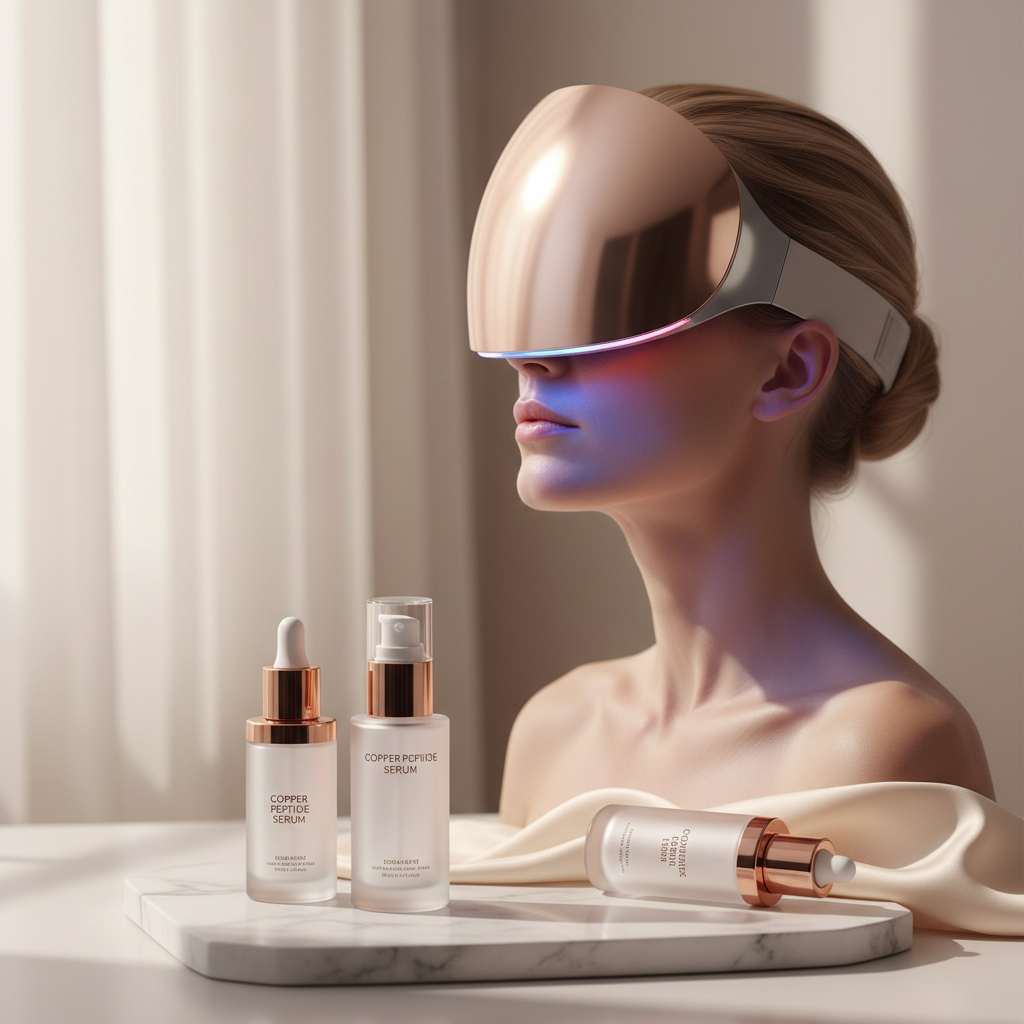
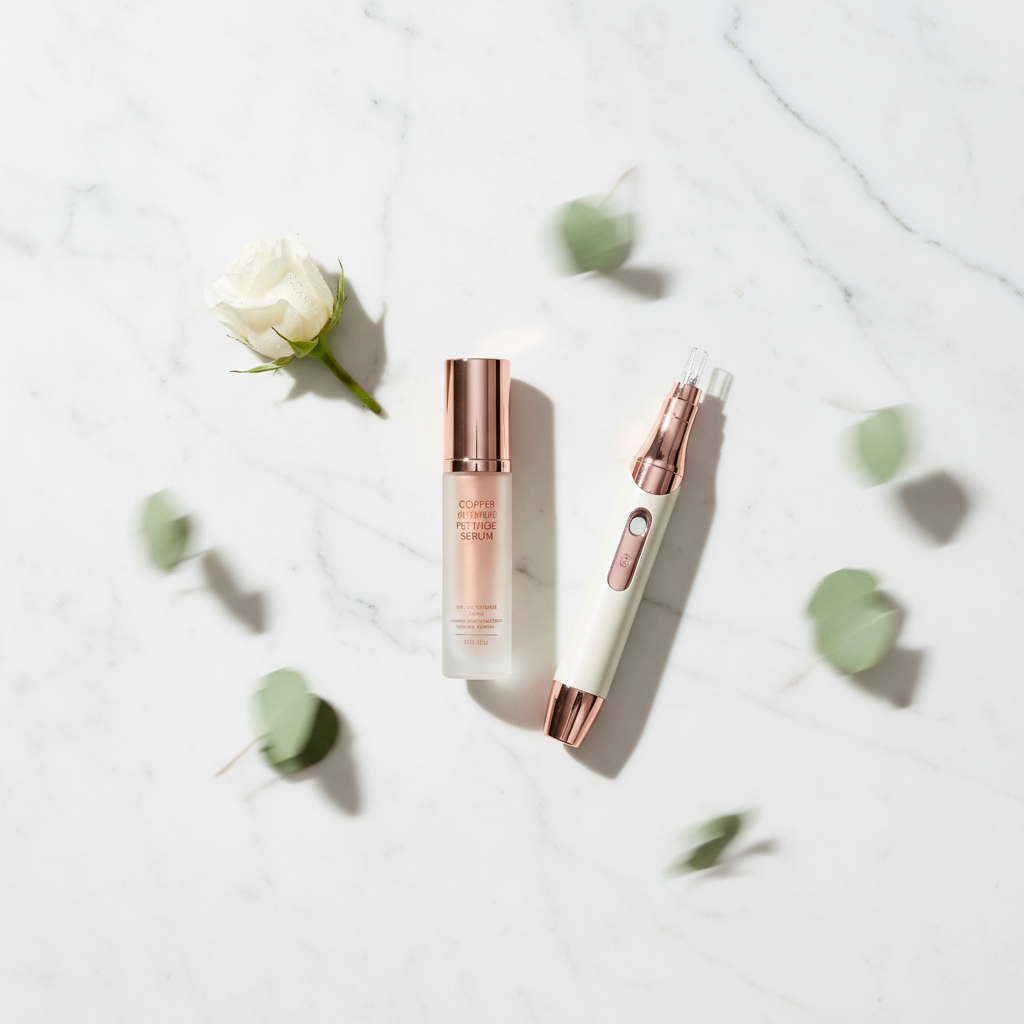
Focus on gentle, hydrating, and reparative ingredients. At SkinLuna, we often recommend incorporating copper peptides (GHK-Cu) into your post-procedure routine. These remarkable peptides are scientifically recognised (source: PubMed) for their role in wound healing, collagen production, and anti-inflammatory benefits, making them an ideal complement to microneedling outcomes. Our SkinLuna serums, formulated with potent GHK-Cu, are designed to support your skin's natural recovery process, enhancing firmness and promoting a youthful radiance.
For those interested in maintaining skin health and preventing future damage without clinical intervention, exploring effective at-home solutions is always a smart choice. Our article, Microneedling vs. At-Home Skincare: A Smarter UK Alternative, provides a comprehensive comparison.
Concluding Thoughts on Booking Microneedling in the UK
Microneedling can be a transformative treatment for many skin concerns, offering significant improvements in texture, tone, and overall appearance. However, ensuring a safe and effective experience when booking microneedling in the UK hinges entirely on thorough research and judicious choice of practitioner. Prioritise safety, consult extensively, and commit to excellent aftercare, perhaps even embracing the regenerative power of GHK-Cu, for results that truly glow. Your beautiful skin deserves nothing less.
Reveal Visibly Firmer, Younger Skin
GHK-Cu Copper Peptide Serum
Clinically formulated in London. Join thousands across the UK seeing radiant, lifted skin in weeks.
Frequently asked questions
Typical downtime after microneedling is usually 24 to 48 hours, during which your skin may appear red, swollen, and feel sensitive, similar to a mild sunburn. Some dryness and flaking can occur in the following days, but most individuals can resume normal activities quickly, provided they follow aft
Scientific sources
- BAD — source
- PubMed — source: PubMed
The Ritual
Discover the GHK-Cu Copper Peptide Serum
Clinically formulated in London. Loved across the United Kingdom for visibly firmer, radiant skin.
Shop Now →