SkinLuna · The Ritual
Want results like these? Start your ritual today.
Unveiling Azelaic Acid: A Skincare Hero for London's Discerning
In the bustling world of clinical skincare, where each ingredient promises transformative results, it can be challenging to discern true innovation from fleeting trends. Yet, some ingredients stand the test of time, proving their mettle through rigorous research and tangible outcomes. One such powerhouse is Azelaic Acid, a naturally occurring dicarboxylic acid that has garnered significant acclaim for its multi-faceted benefits. For those in the UK seeking advanced solutions for a range of persistent skin concerns, from stubborn breakouts to the subtle flush of rosacea, understanding the profound impact of Azelaic Acid UK products is paramount.
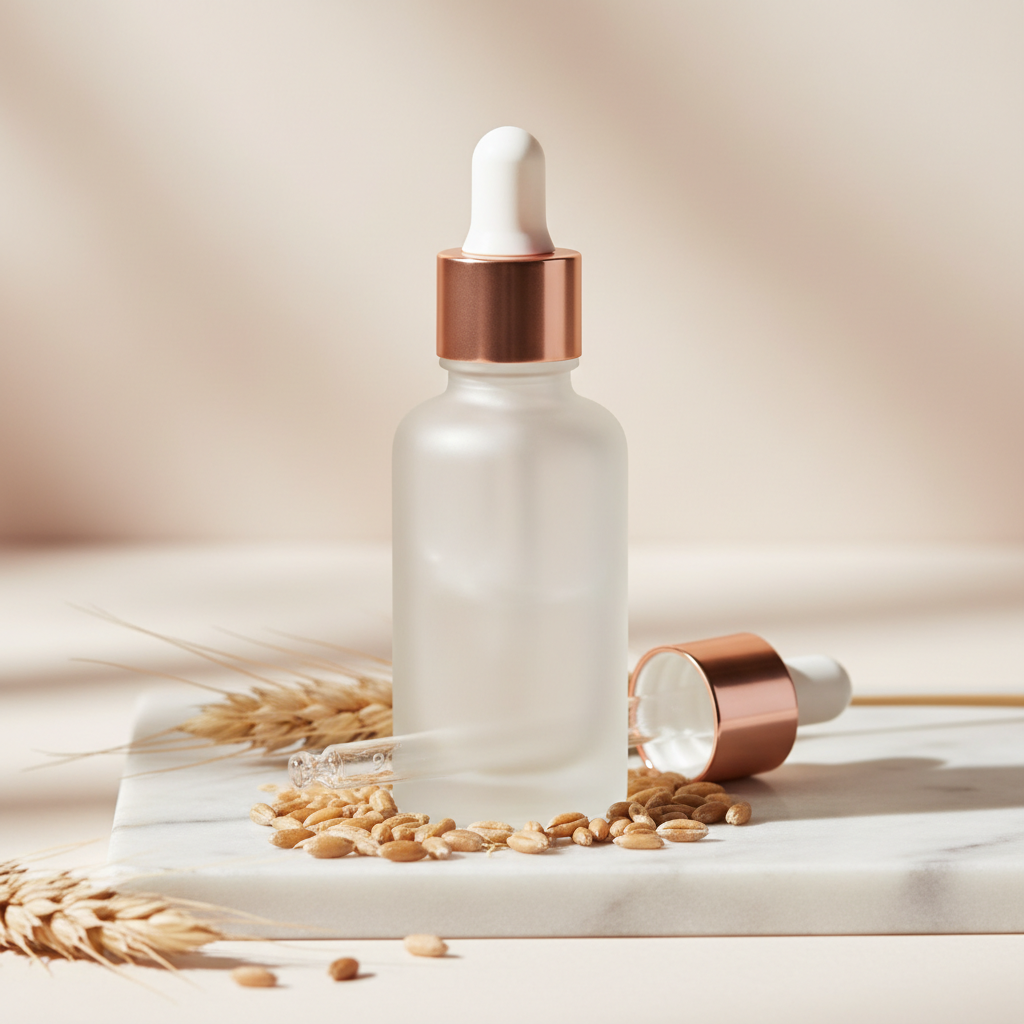
At SkinLuna, our philosophy centres on science-backed efficacy, and Azelaic Acid perfectly embodies this commitment. Derived from grains like wheat, barley, and rye, this unsung hero offers a compelling narrative for healthier, more radiant skin. It's an ingredient that speaks to precision and gentle yet powerful correction, aligning beautifully with the sophisticated preferences of our discerning London clientele.
What Exactly ‘Is’ Azelaic Acid and How Does It Work?
Azelaic Acid is not just another acid; it's a skincare chameleon, offering a unique blend of properties. Its mechanism of action is incredibly diverse, making it effective for various dermatological conditions:
- Anti-inflammatory: It calms redness and irritation, which is particularly beneficial for conditions like rosacea.
- Antibacterial: It inhibits the growth of acne-causing bacteria (P. acnes), reducing breakouts and preventing future ones.
- Keratolytic: It helps to normalise skin cell turnover, preventing pores from becoming clogged with dead skin cells.
- Antioxidant: It neutralises free radicals, protecting the skin from environmental damage.
- Melanin Inhibitor: It reduces the production of melanin, making it highly effective against hyperpigmentation.
The Remarkable Benefits of Azelaic Acid for UK Skin
For those navigating the often-complex landscape of skin concerns, Azelaic Acid presents a compelling solution. Its broad spectrum of action means it addresses multiple issues simultaneously, making it a highly efficient addition to your skincare regimen.
1. Calming Rosacea and Reducing Redness
Rosacea, a chronic inflammatory skin condition characterised by redness, visible blood vessels, and sometimes pimple-like bumps, affects a significant portion of the UK population. Azelaic Acid is celebrated for its ability to significantly reduce inflammation and redness associated with rosacea. Clinical studies have shown its efficacy in improving overall skin appearance and comfort for rosacea sufferers. If you’re seeking pathways to calmer, clearer skin in the UK, Azelaic Acid deserves your attention. For more in-depth information, the British Association of Dermatologists provides excellent resources on rosacea management: BAD.org.uk.
2. Combatting Acne Breakouts and Blemishes
Acne isn't just a teenage concern; adult acne is increasingly common across the UK. Azelaic Acid’s antibacterial properties target P. acnes bacteria, a primary culprit in breakout formation. Furthermore, its keratolytic action helps to prevent the build-up of dead skin cells that can clog pores, leading to blackheads and whiteheads. It's a highly effective, often gentler alternative to other acne treatments, particularly for sensitive or blemish-prone skin. Many find it less irritating than traditional retinoids, yet equally potent.”
3. Fading Hyperpigmentation and Uneven Skin Tone
Whether it's post-inflammatory hyperpigmentation (PIH) left behind by acne, sun spots, or melasma, uneven skin tone is a common frustration. Azelaic Acid works by selectively inhibiting tyrosinase, an enzyme crucial for melanin production. This unique mechanism means it targets only overactive melanocytes, leaving naturally pigmented skin unaffected — making it ideal for safely and effectively treating hyperpigmentation at home. We believe in ingredients that deliver visible improvement, and Azelaic Acid consistently shows impressive results in promoting a more uniform, luminous complexion.
4. Improving Skin Texture and Clarity
Beyond specific concerns, Azelaic Acid contributes to overall skin health. By gently exfoliating and normalising cell turnover, it refines skin texture, leading to a smoother feel and a brighter, more polished appearance. It helps to clarify the complexion without the harshness often associated with stronger exfoliating agents.
How to Seamlessly Incorporate Azelaic Acid into Your UK Skincare Routine
Integrating a new active ingredient requires a thoughtful approach, particularly for those with sensitive skin. The good news is that Azelaic Acid is generally well-tolerated, even for delicate complexions.
Choosing the Right Concentration
Azelaic Acid is available in various concentrations, typically ranging from 10% to 20% in prescription formulations, and from 5% to 10% in over-the-counter products. For beginners, especially in the UK market where access to prescribed strengths might require a GP visit, starting with a lower concentration (5-10%) is advisable. This allows your skin to adapt gradually.
Application & Frequency Guide:
- Cleanse: Begin with a gentle cleanser to remove impurities.
- Tone (Optional): If you use a toner, apply it next.
- Active Serums: If you use other active serums like Niacinamide or Hyaluronic Acid, apply them before Azelaic Acid.
- Azelaic Acid: Dispense a pea-sized amount onto your fingertips and apply a thin, even layer to the affected areas or your entire face, avoiding the immediate eye area.
- Moisturise: Follow with a hydrating moisturiser to lock in moisture.
- SPF (AM): Always finish with a broad-spectrum SPF 30 or higher in your morning routine, as Azelaic Acid can increase sun sensitivity.
Frequency: Start by applying Azelaic Acid once daily (morning or evening) for the first few weeks. If your skin tolerates it well, you can gradually increase to twice daily. Listen to your skin — a slight tingling sensation upon initial application is normal, but persistent stinging or irritation means you should reduce frequency or discontinue use.
Can Azelaic Acid Be Layered with Other Actives?
One of Azelaic Acid's great advantages is its compatibility. It plays well with many other popular skincare ingredients:
- Retinoids: Can be used in conjunction, but alternate usage (e.g., Azelaic in the morning, Retinol at night) to minimise irritation.
- AHAs/BHAs: Use with caution. If combining, consider alternating days or using at different times of day to prevent over-exfoliation.
- Niacinamide: A wonderful pairing! Niacinamide further calms redness and supports the skin barrier, complementing Azelaic Acid’s benefits.
- Hyaluronic Acid & Copper Peptides (GHK-Cu): Excellent for hydration and skin repair. These ingredients create a supportive environment for Azelaic Acid to work effectively, enhancing overall skin health. Our SkinLuna range, particularly those featuring our signature GHK-Cu, works synergistically with Azelaic Acid to promote a resilient, radiant complexion.
For a detailed look into hydration, you might explore Hyaluronic Acid: Your UK Guide to Ultimate Hydration.
UK Buyer's Guide: Sourcing Quality Azelaic Acid Products
When selecting Azelaic Acid products in the UK, it's vital to look for reputable brands that prioritise stable formulations and clear ingredient lists. As a brand deeply invested in clinical efficacy, SkinLuna champions transparency and potency for our discerning clientele.
What to Look For:
- Concentration: As mentioned, begin with 5-10% for over-the-counter options. Prescription strengths (15-20%) are available via dermatologists or GPs for more severe conditions like rosacea or acne.
- Formulation: Azelaic Acid is typically found in serums, creams, or gels. Creams are often preferred for dryer, more sensitive skin, while serums or gels can be lighter for oilier complexions.
- Ingredient Synergies: Look for products that combine Azelaic Acid with other beneficial ingredients like Niacinamide, Glycerin, or Ceramides to support the skin barrier and enhance results. Avoid formulations with high concentrations of fragrances or essential oils if you have sensitive skin.
- Packaging: Opaque, air-tight packaging helps protect the stability and efficacy of the product.
Where to Buy in the UK:
- High Street Retailers & Independent Pharmacies: Boots, Superdrug, and local pharmacies often stock Azelaic Acid products from various brands.
- Online Skincare Retailers: Cult Beauty, Lookfantastic, Space NK, and direct-to-consumer brand websites (Like SkinLuna) offer a wider selection, often with detailed product descriptions and customer reviews.
- Prescription: For higher concentrations (15% gel or 20% cream), a consultation with a GP or dermatologist is necessary. They can assess your specific needs and recommend the most appropriate product.
Potential Side Effects & Considerations
While Azelaic Acid is known for its gentle nature, particularly compared to other actives, some individuals may experience mild side effects, especially during the initial stages of use:
- Mild stinging or tingling
- Dryness or flaking
- Redness or itching
These effects are usually temporary and subside as your skin adjusts. Should severe or persistent irritation occur, reduce frequency or consult with a skincare professional. Always perform a patch test before applying a new product to your entire face.
Pregnancy and Breastfeeding: Azelaic Acid is generally considered safe for use during pregnancy and breastfeeding, making it a valuable alternative for those who need to avoid ingredients like retinoids. However, it is always best to consult with your doctor or a healthcare professional prior to use, particularly with prescription strengths. “Azelaic acid is a naturally occurring dicarboxylic acid that has been shown to be effective and safe during pregnancy and lactation for the treatment of acne and melasma.” — National Center for Biotechnology Information (NCBI).
The SkinLuna Perspective: Elevating Your Skincare Ritual
At SkinLuna, we believe in crafting exquisite skincare solutions that blend scientific rigor with sensorial pleasure. Azelaic Acid, with its proven ability to refine, calm, and brighten the complexion, aligns perfectly with our dedication to advanced, results-driven formulations. When combined with our signature Copper Peptides (GHK-Cu) — renowned for their collagen-boosting and reparative properties — Azelaic Acid creates a powerful synergy, addressing concerns from signs of ageing to comprehensive skin health. This dual-action approach enhances the skin's natural resilience, promoting a youthful, radiant glow that is truly SkinLuna. We invite you to explore our shop and discover how these ingredients can transform your skin.
Embracing Azelaic Acid in your routine is a thoughtful step towards achieving the balanced, clear, and serene complexion you’ve always desired. Its versatility and gentle efficacy make it a standout ingredient, solidifying its place as a cornerstone in sophisticated skincare across the UK and beyond.
Reveal Visibly Firmer, Younger Skin
GHK-Cu Copper Peptide Serum
Clinically formulated in London. Join thousands across the UK seeing radiant, lifted skin in weeks.
Frequently asked questions
Azelaic acid is a naturally occurring dicarboxylic acid found in grains. Its main benefits for UK skin include reducing inflammation and redness associated with rosacea, killing acne-causing bacteria and preventing breakouts, and effectively fading various forms of hyperpigmentation like dark spots
Scientific sources
The Ritual
Discover the GHK-Cu Copper Peptide Serum
Clinically formulated in London. Loved across the United Kingdom for visibly firmer, radiant skin.
Shop Now →