SkinLuna · The Ritual
Want results like these? Start your ritual today.
Unveiling the Causes of Flaky Skin on Your Nose in the UK
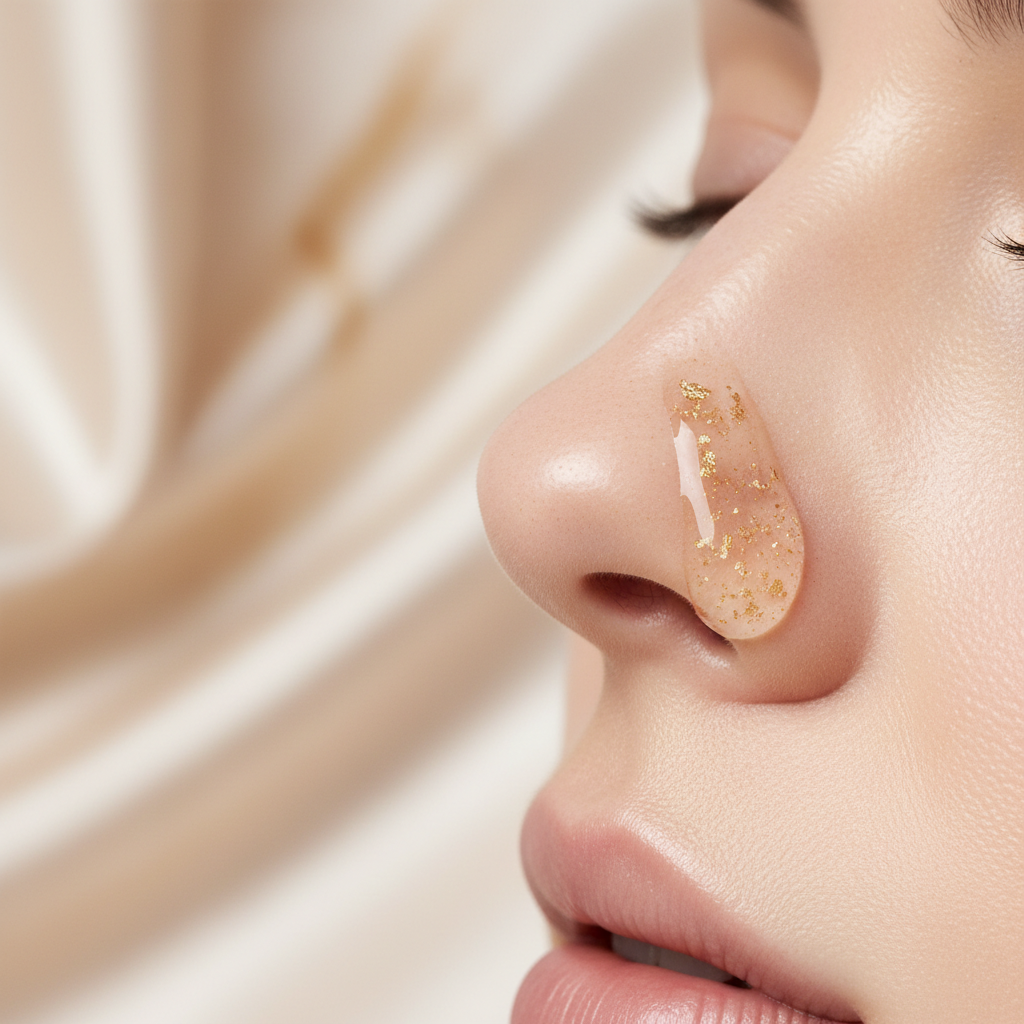
There's nothing quite as unwelcome as waking up to dry, peeling, or flaky skin on your nose. A common complaint, particularly during the chillier months or within the drying confines of central London's urban environment, flaky skin on the nose can be both uncomfortable and aesthetically displeasing. At SkinLuna, we understand the nuances of sensitive, temperamental skin, and we're here to guide you through effective, science-backed solutions to reclaim your luminous complexion.
Understanding why your nose—often a focal point of the face—becomes flaky is the first step towards resolution. Several factors, both environmental and internal, contribute to this common skin concern.
Environmental Culprits & Lifestyle Factors
- Harsh Weather: The biting winds and low humidity characteristic of a British winter can strip the skin of its natural moisture, leading to dryness and flakiness. Similarly, excessive sun exposure without adequate protection can cause peeling.
- Over-Washing or Harsh Cleansing: Using strong, stripping cleansers, especially those containing sulphates, can disrupt your skin's delicate barrier, leaving it vulnerable to moisture loss.
- Hot Showers & Baths: While comforting, prolonged exposure to very hot water can actually exacerbate dryness, leaching essential oils from the skin.
- Dehydration: Insufficient water intake impacts your skin's hydration levels from within, making it more prone to flaking.
- Indoor Heating & Air Conditioning: These climate-control systems significantly reduce indoor humidity, creating an arid environment that zaps skin moisture. Combatting hard water skin woes in London can also be crucial.
Underlying Skin Conditions
Sometimes, flaky skin on the nose is more than just environmental dryness; it can signal an underlying skin condition:
- Seborrhoeic Dermatitis: This common condition causes red, greasy, flaky patches, often on the nose and eyebrows. It's linked to an overgrowth of a yeast that normally lives on the skin.
- Eczema (Atopic Dermatitis): Characterised by dry, itchy, inflamed patches, eczema can affect the nose area, causing significant flaking and discomfort.
- Rosacea: While primarily causing redness and visible blood vessels, rosacea can also present with dry, flaky patches, particularly around the T-zone.
- Psoriasis: Though less common on the nose, psoriasis can cause thick, silvery scales and redness.
If you suspect an underlying skin condition, it's always best to consult with a GP or a dermatologist for an accurate diagnosis and personalised treatment plan.
The SkinLuna Approach: Gentle Care for a Luminous Nose
At SkinLuna, we advocate for an elegant, science-backed approach to skincare. Treating flaky skin on the nose in the UK requires a regimen focused on repairing the skin barrier, deep hydration, and gentle exfoliation.
Step 1: Gentle Cleansing & Exfoliation
The foundation of healthy skin begins with cleansing. Opt for a mild, hydrating cleanser that won't strip your skin. Avoid foaming cleansers with harsh surfactants.
"A gentle touch is paramount when dealing with compromised skin. Over-exfoliation is a common pitfall that can worsen flakiness and inflammation." - SkinLuna Skincare Philosophy
When it comes to exfoliation, less is often more, especially if your skin is flaky. Instead of physical scrubs, which can tear delicate skin, consider chemical exfoliants with AHAs (Alpha Hydroxy Acids) like lactic or mandelic acid at low concentrations. These acids gently dissolve the bonds between dead skin cells, revealing smoother skin underneath. Use them sparingly, perhaps once or twice a week, and always follow with robust hydration.
Step 2: Deep Hydration & Barrier Repair
This is where your skin barrier truly begins its recovery. Look for products rich in humectants, emollients, and occlusives.
- Humectants: Draw moisture from the air into the skin. Think Hyaluronic Acid, Glycerin, and Sodium PCA.
- Emollients: Smooth and soften the skin, filling in gaps between skin cells. Fatty acids, ceramides, and cholesterol are excellent examples.
- Occlusives: Form a protective layer on the skin's surface to prevent moisture loss. Shea butter, petrolatum, and rich plant oils work wonders.
Our SkinLuna luxury serums are formulated with a potent blend of these ingredients, designed to deeply nourish and restore your skin's natural resilience. For superior skin repair, consider incorporating a serum rich in copper peptides (GHK-Cu). GHK-Cu is clinically recognised for its remarkable ability to support collagen production, promote wound healing, and enhance skin barrier function, making it an excellent choice for skin healing.
Step 3: Protection is Key
Once you've cleansed and hydrated, shielding your skin from further damage is crucial. This means daily SPF application, even on cloudy days in London, and especially during periods of dryness or flaking.
- Broad-Spectrum SPF: Choose an SPF of 30 or higher that protects against both UVA and UVB rays. Mineral sunscreens with zinc oxide or titanium dioxide are often gentler for sensitive or flaky skin.
- Humidifiers: In dry indoor environments, a humidifier can significantly boost air moisture, preventing your skin from losing essential hydration.
SkinLuna's Recommended Routine for Flaky Skin on Nose UK
Here’s a simplified routine designed to soothe and restore balance to your flaky nose:
Morning Ritual:
- Cleanse: Gently wash with a hydrating, sulphate-free cleanser.
- Serum: Apply a few drops of a deeply moisturising serum, focusing on areas of dryness. Our SkinLuna serums, enriched with GHK-Cu, are ideal for promoting skin recovery and enhancing elasticity.
- Moisturise: Follow with a rich, emollient moisturiser.
- SPF: Finish with a broad-spectrum sunscreen.
Evening Ritual:
- Double Cleanse: If you wear makeup, start with an oil-based cleanser to dissolve impurities, followed by your gentle hydrating cleanser.
- Targeted Treatment (Optional): If tolerated, apply a very mild AHA serum (1-2 times a week only).
- Serum: Apply your SkinLuna repair serum, allowing it to penetrate deeply.
- Night Cream: Seal everything in with a nourishing night cream or a rich facial oil.
Remember, consistency is vital. Give your skin time to heal and adjust to the new routine. For those with particularly sensitive skin, soothing retinol sensitivity principles apply—introduce new actives slowly and meticulously.
When to Seek Professional Advice
While a diligent skincare routine can often resolve common issues of flaky skin on the nose in the UK, there are instances when professional medical advice is recommended. If your flakiness is persistent, accompanied by intense itching, redness, swelling, or blistering, or if home remedies offer no relief, please consult with your GP or a dermatologist. Conditions like perioral dermatitis or a severe allergic reaction require specific medical interventions.
For more insights into skin health, the British Association of Dermatologists (bad.org.uk) offers comprehensive information on various skin conditions.
Embrace Your Luminous Skin
Addressing flaky skin on your nose needn't be a frustrating battle. By understanding its causes and adopting a thoughtful, science-backed skincare regimen, you can restore your skin's health and radiance. At SkinLuna, we're dedicated to providing you with luxurious, effective solutions that empower your skin to thrive. Embrace the journey to a beautifully smooth, luminous complexion – your nose will thank you for it.
Reveal Visibly Firmer, Younger Skin
GHK-Cu Copper Peptide Serum
Clinically formulated in London. Join thousands across the UK seeing radiant, lifted skin in weeks.
Frequently asked questions
The best way is to adopt a consistent routine of gentle cleansing, mild exfoliation (<a href="https://www.ncbi.nlm.nih.gov/pmc/articles/PMC3583892/">AHAs</a>), deep hydration with barrier-repairing ingredients like ceramides and copper peptides, and daily SPF protection. Avoid harsh products and hot
Scientific sources
- NHS — flaky skin on the nose
- BAD — bad.org.uk
- PubMed — AHAs
The Ritual
Discover the GHK-Cu Copper Peptide Serum
Clinically formulated in London. Loved across the United Kingdom for visibly firmer, radiant skin.
Shop Now →