SkinLuna · The Ritual
Want results like these? Start your ritual today.
Eczema, or atopic dermatitis, is a persistent and often perplexing skin condition that affects millions across the United Kingdom. When it manifests on the face, the challenges multiply, impacting not just comfort but also confidence. For those seeking clarity on treating eczema-prone skin on the face in the UK, look no further. At SkinLuna, we understand the delicate balance required to soothe and restore compromised skin, offering a science-backed approach to help you reclaim a radiant, comfortable complexion.
Understanding Facial Eczema: A British Perspective
Facial eczema presents unique concerns. The skin here is thinner and more sensitive than on other parts of the body, making it particularly vulnerable to irritants and environmental factors common in urban environments like London. Typically, facial eczema can appear as:
- Red, inflamed patches
- Dry, flaky, or scaly skin
- Intense itching, leading to scratching and potential infection
- Oozing or crusting in severe cases
- Thickened or leathery skin from chronic rubbing
Understanding the root causes is the first step. Eczema is primarily a barrier dysfunction, where the skin loses its ability to retain moisture and keep out irritants. Genetic predisposition, environmental triggers (such as pollutants, allergens like dust mites or pollen, and harsh weather), and even stress can all play a significant role. With UK weather notoriously changeable, maintaining skin barrier integrity is crucial.
Identifying Your Triggers: The Detective Work
Before any treatment can be truly effective, pinpointing your personal triggers is paramount. This often requires a degree of detective work, perhaps even keeping a skin diary. Common culprits in the UK include:
- Environmental Allergens: Pollen, pet dander, dust mites.
- Irritants: Harsh soaps (especially fragranced ones), certain fabrics (wool), cleaning products.
- Climate: Cold, dry air in winter can exacerbate dryness, while heat and humidity can trigger sweating, leading to irritation.
- Stress: Emotional stress doesn't cause eczema but can certainly trigger flares.
- Food Allergies: Less common in adults but can be a factor for some.
Once identified, the goal is to minimise exposure. Simple steps like using hypoallergenic bedding, opting for fragrance-free laundry detergents, and wearing soft, breathable fabrics can make a tangible difference.
The Cornerstone of Care: Gentle Cleansing & Intense Hydration
For eczema-prone skin, hydration is not just a benefit; it's a necessity. The compromised skin barrier struggles to retain moisture, leading to a vicious cycle of dryness and irritation.
Cleansing with Compassion
Forget harsh, foaming cleansers. Your facial skin requires a gentle touch. Opt for:
- Creamy, non-foaming cleansers: These help preserve the skin's natural oils.
- Lukewarm water: Hot water strips the skin of essential lipids.
- Patting dry: Avoid rubbing, which can cause friction and irritation. Use a soft, clean towel.
Look for ingredients like ceramides, hyaluronic acid, and glycerin in your cleansers, as these support the skin barrier while cleansing.
The Power of Emollients and Moisturisers
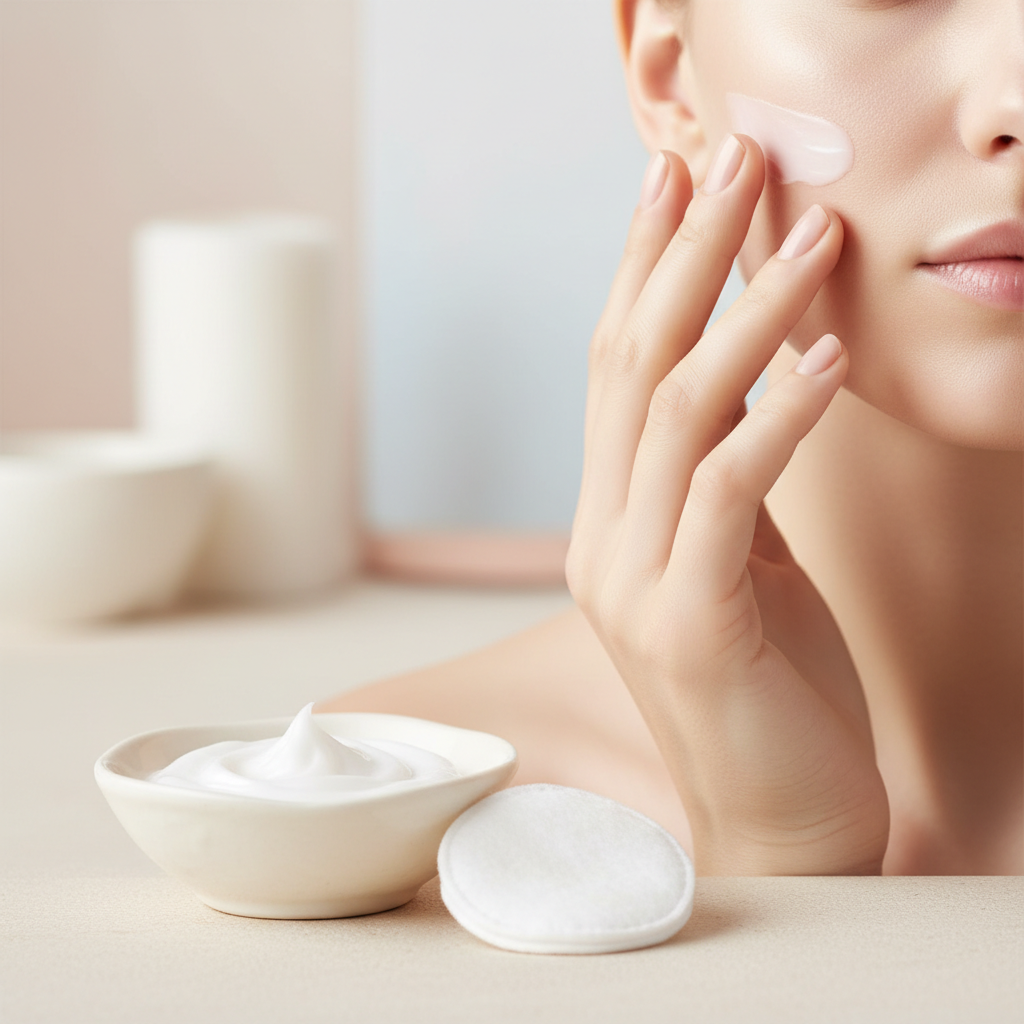
Immediately after cleansing and patting dry, apply a rich emollient or moisturiser to 'lock in' moisture. This is arguably the most crucial step in managing facial eczema. For our London clientele, navigating the city's varied climate, a robust moisturiser is a daily essential. Key ingredients to seek out include:
- Ceramides: Essential lipids that help repair the skin barrier.
- Hyaluronic Acid: A powerful humectant that draws moisture into the skin.
- Glycerin: Another effective humectant.
- Shea Butter/Colloidal Oatmeal: Soothe and protect.
Apply generously, several times a day, especially during flares. Consider a thicker cream for nighttime and a lighter lotion for daytime if preferred, always ensuring it's fragrance-free and for sensitive skin.
Targeted Treatment: Serums and Actives for Eczema
While emollients are foundational, certain active ingredients, delivered via serums, can offer targeted support, especially for clinical skincare enthusiasts.
The Soothing Science of Copper Peptides (GHK-Cu)
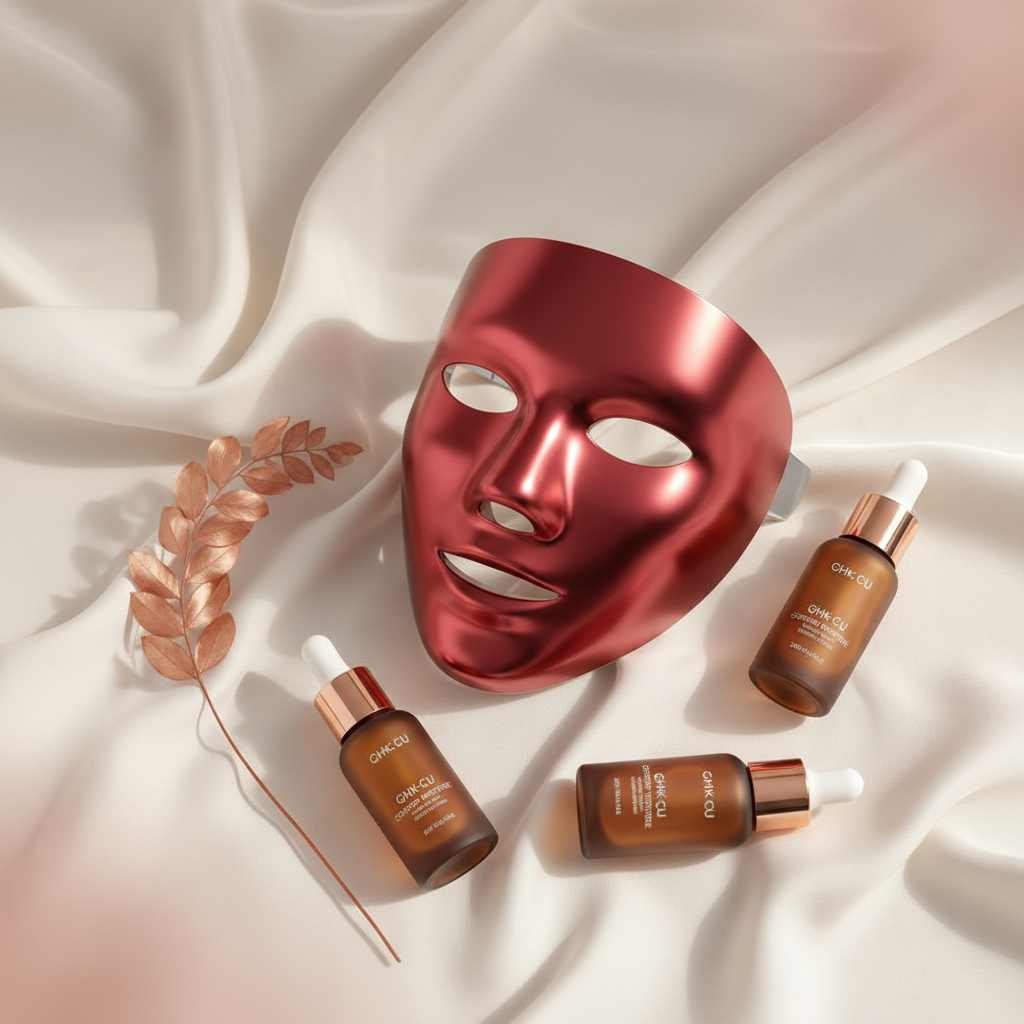
At SkinLuna, we often highlight the remarkable benefits of copper peptides, specifically GHK-Cu, for skin health. For eczema-prone skin, GHK-Cu is particularly intriguing due to its known regenerative and anti-inflammatory properties. Studies suggest that copper peptides can support wound healing, reduce inflammation, and enhance the skin's natural repair processes. This makes them an excellent choice for compromised skin barriers. Incorporating a SkinLuna GHK-Cu serum can be a sophisticated addition to your routine, helping to foster a healthier skin environment.
Niacinamide: The Barrier Builder
Vitamin B3, or niacinamide, is another superstar ingredient for sensitive, eczema-affected skin. It helps to strengthen the skin's barrier function, reduce redness and inflammation, and improve skin hydration. When treating redness and rosacea in the UK, niacinamide is often recommended, and its benefits extend beautifully to eczema.
Avoid Harsh Actives
When dealing with sensitive, eczema-prone facial skin, it's crucial to temporarily (or permanently) step away from harsh actives like high-strength retinoids, AHAs, and BHAs, especially during a flare. These can further compromise the delicate skin barrier. Focus on soothing and restoring before introducing any potent anti-aging ingredients, and always do a patch test.
Lifestyle Adjustments for Long-Term Comfort
Skincare is just one piece of the puzzle. Holistic management plays a significant role in calming eczema.
Diet and Hydration
While the link between diet and eczema is individual and not fully understood for all, some find relief by identifying and avoiding trigger foods. Ensuring adequate water intake throughout the day is universally beneficial for skin hydration.
Stress Management
Stress is a notorious eczema trigger. Incorporating stress-reducing practices like mindfulness, yoga, or even a brisk walk around your local London park can help manage flares. The connection between mind and skin is profound.
Protective Measures
In the UK, sunscreen is not just for summer. Daily application of a broad-spectrum mineral SPF (containing zinc oxide or titanium dioxide) is vital, even on cloudy days, to protect sensitive skin from UV damage, which can exacerbate inflammation. During colder months, protecting the face from harsh winds with scarves can also prevent flare-ups.
When to Seek Professional Help
While consistent at-home care can significantly improve facial eczema, there are times when professional intervention is necessary. If your eczema is:
- Severely impacting your quality of life
- Not responding to over-the-counter treatments
- Showing signs of infection (pus, fever, increased pain)
- Spreading rapidly or suddenly worsening
Consult your GP or a dermatologist. They can provide prescription-strength topical corticosteroids, calcineurin inhibitors, or discuss newer treatments like biologics. The NHS offers comprehensive guidance on eczema treatment, and specialists are well-versed in navigating complex cases.
The SkinLuna Philosophy for Eczema-Prone Skin
At SkinLuna, our philosophy for treating eczema-prone skin on the face in the UK centres on gentle efficacy. We believe in nurturing the skin's natural resilience with high-quality, clinically backed ingredients. Our formulations are designed to support the skin barrier, reduce inflammation, and provide lasting hydration, helping you achieve a luminous, comfortable complexion even in the face of dermatitis challenges. From luxury serums to comforting creams, we craft solutions that understand the unique needs of sensitive skin, allowing you to build a routine that feels both indulgent and genuinely beneficial.
Reveal Visibly Firmer, Younger Skin
GHK-Cu Copper Peptide Serum
Clinically formulated in London. Join thousands across the UK seeing radiant, lifted skin in weeks.
Frequently asked questions
During a facial eczema flare-up, gently cleanse with lukewarm water and a mild, fragrance-free cleanser, then immediately apply a rich, thick emollient or moisturiser specifically formulated for sensitive skin. Cool compresses can also help reduce inflammation and itching. Avoid harsh products and i
Scientific sources
The Ritual
Discover the GHK-Cu Copper Peptide Serum
Clinically formulated in London. Loved across the United Kingdom for visibly firmer, radiant skin.
Shop Now →