SkinLuna · The Ritual
Want results like these? Start your ritual today.
Unveiling Clarity: The Art of Choosing Clay Masks for Oily Skin in the UK
For those navigating the often-challenging landscape of oily, blemish-prone skin in the UK, the quest for balance and clarity can feel endless. Excessive sebum production, enlarged pores, and the nagging threat of breakouts are common concerns. In this sophisticated pursuit of a refined complexion, the humble clay mask emerges as a formidable ally. But with a myriad of options, how does one discern the truly effective clay masks for oily skin UK market offers?
At SkinLuna, we believe in a science-backed approach to skincare, understanding the unique needs of every individual. This comprehensive guide will empower you to select the perfect clay mask, transforming your skincare routine into a ritual of purification and rejuvenation.
Why Clay Masks Are Essential for Oily Skin
Clay masks possess a remarkable ability to draw out impurities, absorb excess oil, and delicately exfoliate the skin's surface. Think of them as a gentle yet potent vacuum cleaner for your pores, leaving your complexion feeling refreshed, mattified, and visibly clearer. For oily skin types, this deep-cleansing action is paramount in preventing congestion and mitigating breakouts.
Understanding Your Oily Skin Type: Beyond Just ‘Oily’
Before diving into specific clay types, it's crucial to understand that oily skin isn't a monolith. Your skin might be:
- Simply Oily & Prone to Shine: Characterised by an all-over sheen, enlarged pores, but perhaps fewer active breakouts. Your focus will be on oil absorption and pore refinement.
- Oily & Acne-Prone: Frequent blemishes, blackheads, and whiteheads alongside excess oil. You'll need masks with additional blemish-fighting ingredients.
- Oily & Dehydrated: Paradoxically, oily skin can also lack water, leading to a tight, uncomfortable feeling underneath the oiliness. Here, you'll want masks that balance purification with gentle hydration.
- Oily & Sensitive: Redness, irritation, or a reactive response to stronger ingredients, even with excess oil. Gentle clays and soothing botanicals are key.
Understanding your specific oily skin subtype is the first step towards a targeted and effective skincare regimen.
The Diverse World of Clays: Which is Right for You?
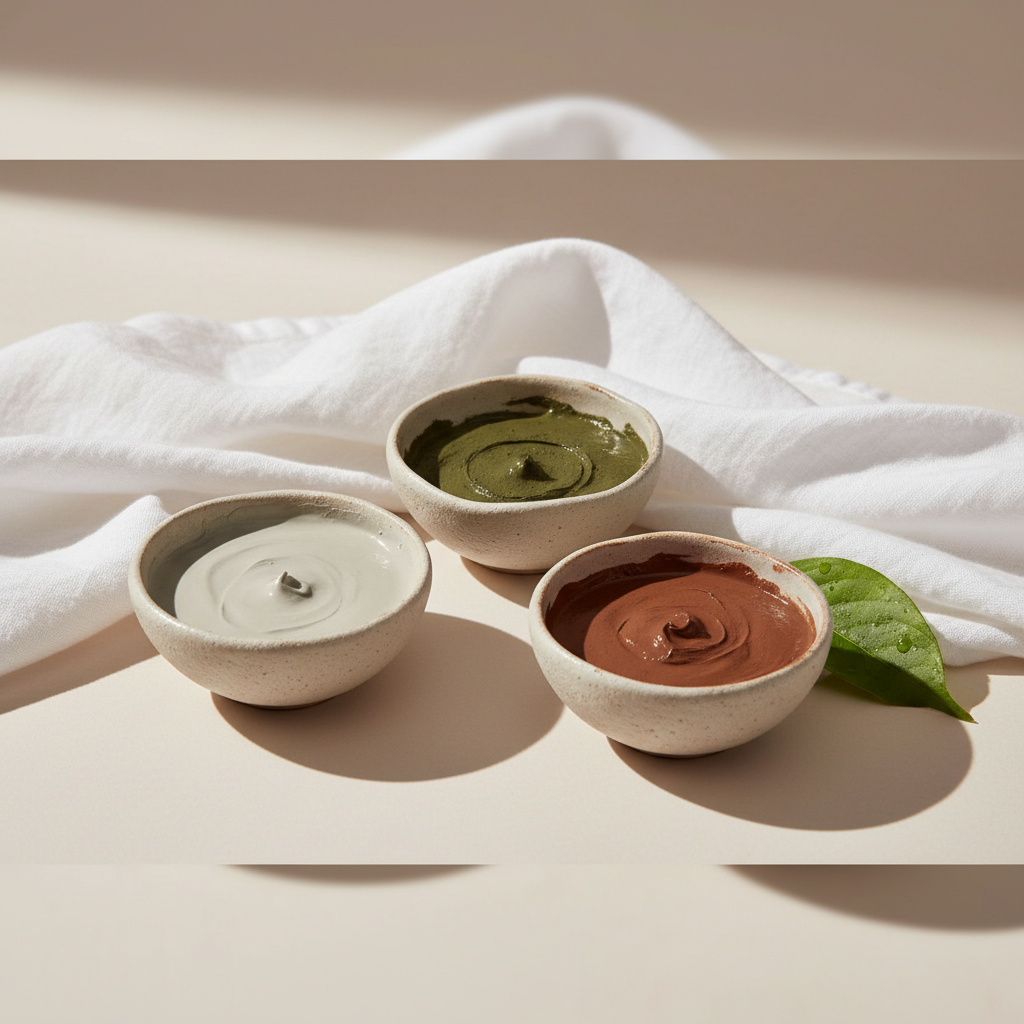
The core of any clay mask lies, naturally, in the clay itself. Each type boasts unique properties, making them suitable for different concerns. Here’s a breakdown of the most popular and effective clays for oily skin:
1. Kaolin Clay (White Clay)
- Properties: The mildest of all clays, Kaolin (often found as White Kaolin Clay) is excellent for absorbing excess oil without overly drying the skin. It gently purifies, making it ideal for sensitive or slightly dehydrated oily skin.
- Best For: Oily skin that is also sensitive, or for those seeking a less intense purification. It's often found in masks targeting overall skin brightness and gentle detoxification.
2. Bentonite Clay (Volcanic Ash Clay)
- Properties: Renowned for its powerful oil-absorbing and detoxifying capabilities, Bentonite clay swells when mixed with water, creating a highly porous structure that can draw out impurities like a magnet. It's rich in minerals. A 2012 study highlighted the beneficial properties of Bentonite clay in dermatology, noting its detoxifying and antimicrobial effects. (Source: NCBI)
- Best For: Severely oily, congested, and acne-prone skin. Use with caution if your skin is particularly sensitive, as its potent nature can sometimes be too stimulating.
3. Green Clay (French Green Clay / Illite Clay)
- Properties: A powerhouse for oily and combination skin, Green Clay is highly absorbent and rich in beneficial minerals like magnesium, calcium, and potassium. It's fantastic for purifying pores, toning the skin, and stimulating circulation.
- Best For: Moderately to very oily skin, congested skin, and those looking to tighten the appearance of pores.
4. Rhassoul Clay (Moroccan Lava Clay)
- Properties: Originating from the Atlas Mountains, Rhassoul clay is unique because it's a mineral-rich smectite clay known for its remarkable ability to absorb excess oil while also conditioning the skin. It has a high mineral composition, including silica and magnesium, which contribute to its skin-softening effects.
- Best For: Oily skin that also experiences some dryness or wants a more nourishing, yet purifying, treatment.
Beyond the Clay: Key Ingredients to Look For
While the clay itself is pivotal, supportive ingredients elevate a mask from good to exceptional, particularly for the discerning UK consumer seeking efficacy and elegance.
- Salicylic Acid (BHA): A lipid-soluble exfoliant that penetrates oil to deep-clean pores, making it ideal for acne-prone oily skin.
- Niacinamide (Vitamin B3): Helps to regulate sebum production, reduce inflammation, and minimise the appearance of pores.
- Zinc PCA: An excellent anti-inflammatory and sebum-regulating ingredient, perfect for soothing breakouts.
- Humectants (Glycerin, Hyaluronic Acid): Crucial for oily yet dehydrated skin, these prevent the mask from over-drying, maintaining skin barrier integrity.
- Soothing Botanicals (Chamomile, Aloe Vera): Beneficial for sensitive oily skin, helping to calm and reduce redness.
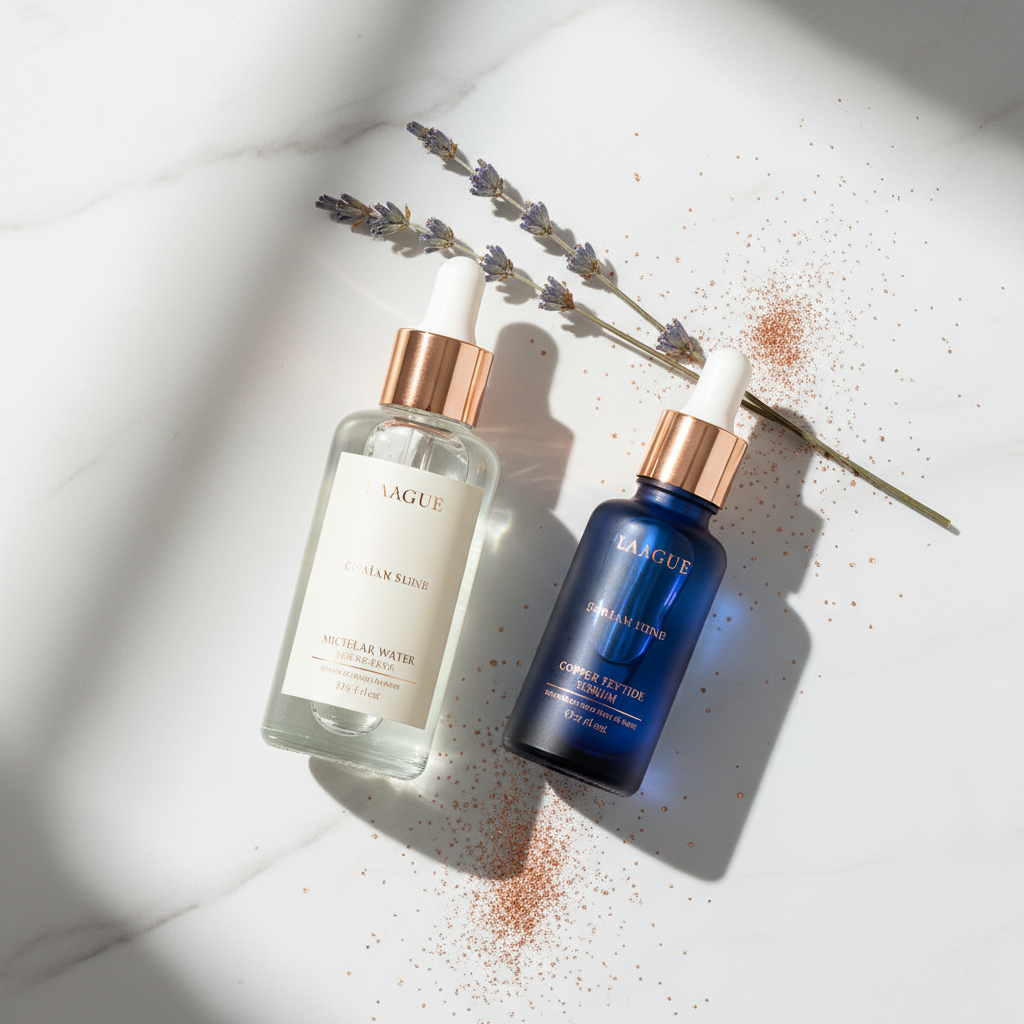
- Copper Peptides (GHK-Cu): While not typically found as a primary ingredient in traditional clay masks, GHK-Cu is an incredible ingredient for overall skin health, supporting repair, collagen production, and reducing inflammation – key for ensuring skin resilience post-purification. Consider incorporating our SkinLuna GHK-Cu serum after masking for optimal anti-ageing and reparative benefits.
How to Incorporate Clay Masks into Your UK Skincare Routine
Even the finest clay mask won't perform optimally if used incorrectly. Here's how to integrate it effectively:
Step-by-Step Application:
- Cleanse: Start with a thoroughly cleansed face. This allows the mask ingredients to penetrate effectively.
- Apply Evenly: Apply a thin, even layer of the mask to your face, avoiding the delicate eye and lip areas.
- Observe Timing: Always adhere to the recommended timing – typically 10-15 minutes. Allowing a clay mask to completely dry on the skin can actually lead to dehydration and irritation, as it continues to draw moisture from the skin itself, not just excess oil.
- Rinse Thoroughly: Use lukewarm water and a soft cloth to gently remove the mask, ensuring no residue is left behind.
- Follow Up: Crucially, follow with a hydrating serum and a non-comedogenic moisturiser to replenish moisture and lock in benefits. For enhanced skin longevity, consider layering a product rich in Copper Peptides (GHK-Cu) like our SkinLuna elixir, which can further support skin repair and elasticity post-masking.
Frequency for Optimal Results:
For most oily skin types, 1-2 times per week is sufficient. If your skin is exceptionally oily or very acne-prone, you might use it slightly more frequently for a short period, but always observe your skin's reaction. Those with oily and sensitive skin should start with once a week.
To further enhance your routine for achieving glowing skin, consider reviewing our guide on Choosing the Right Face Mask for Glowing Skin: A UK Guide, which offers broader insights into various mask types.
The SkinLuna Philosophy: Balanced Beauty
At SkinLuna, a London-born luxury British skincare brand, we understand that skincare is an investment in your well-being. Our commitment is to scientifically-proven ingredients and elegant formulations that deliver tangible results. When selecting clay masks for oily skin UK residents desire, we encourage you to look beyond trends and focus on ingredients that genuinely support your skin's health and vitality.
By thoughtfully choosing the right clay mask, you're not just treating symptoms; you're nurturing a resilient, radiant complexion that reflects your inner glow. Embrace the power of purification and unveil your best skin yet with SkinLuna.
Reveal Visibly Firmer, Younger Skin
GHK-Cu Copper Peptide Serum
Clinically formulated in London. Join thousands across the UK seeing radiant, lifted skin in weeks.
Frequently asked questions
Using a clay mask every day, even with very oily skin, is generally not recommended as it can lead to over-drying, irritation, and potentially trigger more oil production as your skin tries to compensate. Stick to 1-2 times per week for optimal results.
Scientific sources
- NCBI — Source: NCBI
The Ritual
Discover the GHK-Cu Copper Peptide Serum
Clinically formulated in London. Loved across the United Kingdom for visibly firmer, radiant skin.
Shop Now →