SkinLuna · The Ritual
Want results like these? Start your ritual today.
Healing Your Complexion: How to Repair Your Skin Barrier After Retinol Use in the UK
Retinol, a formidable ally in the quest for youthful, radiant skin, is celebrated across the UK for its remarkable ability to stimulate cell turnover and reduce the appearance of fine lines. Yet, this potent ingredient sometimes comes with a caveat: the potential for irritation, leading to a compromised skin barrier. If you've found your complexion feeling sensitised, dry, or a little ‘angry' after incorporating retinol, you’re not alone. The crucial next step is understanding how to effectively repair your skin barrier after retinol UK experts recommend, restoring its natural strength and resilience.
At SkinLuna, we champion a science-backed approach to skincare, understanding that balance is key. A healthy skin barrier is your first line of defence against environmental aggressors and a paramount component of a glowing complexion. When compromised, it can lead to increased sensitivity, redness, and moisture loss. Let's explore how to gently bring your skin back to its optimal state.
Understanding Your Skin Barrier and Retinol's Impact
Think of your skin barrier as a meticulously constructed brick wall, with skin cells as the bricks and lipids (like ceramides, cholesterol, and fatty acids) as the mortar. This vital structure keeps moisture in and irritants out. Retinol, particularly when introduced too quickly or at too high a concentration, can accelerate cell turnover to a degree that temporarily disrupts this delicate barrier.
Signs of a compromised skin barrier after retinol include:
- Redness and inflammation
- Dryness, flakiness, or peeling
- Tightness or discomfort
- Increased sensitivity to other products
- Stinging or burning sensations
- Breakouts (uncommon, but can occur)
If you're experiencing these symptoms, it's a clear signal to pause the retinol and focus entirely on recovery.
The Essential Steps to Restore Your Skin Barrier
Restoring your skin barrier requires a gentle, deliberate approach. Patience is paramount, but with the right strategy, your skin will soon regain its luminous health.
Step 1: The Retinol Pause – Less is More
The first and most critical action is to stop using retinol immediately. Your skin needs a break to recuperate. Introducing potent actives onto a compromised barrier will only exacerbate the issue. This pause might last anywhere from a few days to a couple of weeks, depending on the severity of the irritation. Once your skin feels calm and normal again, you can slowly reintroduce retinol using a lower concentration and reduced frequency.
Step 2: Simplify Your Skincare Routine
During the recovery phase, strip back your routine to the absolute essentials. Avoid anything that could irritate: no harsh exfoliants (physical or chemical), no fragranced products, and definitely no additional active ingredients like Vitamin C (unless it's a very stable, gentle form) or strong acids. A minimalist approach allows your skin to heal without interference.
Step 3: Gentle Cleansing is Key
Opt for a mild, hydrating, and fragrance-free cleanser that won't strip your skin of its natural oils. Look for formulations that are pH-balanced and designed for sensitive or compromised skin. Avoid hot water, which can further dehydrate and irritate. Lukewarm water is always best. Our SkinLuna ethos always prioritises gentle yet effective cleansing.
Step 4: Embrace Barrier-Building Ingredients
This is where the real healing begins. Focus on ingredients known for their soothing, hydrating, and barrier-repairing properties:
- Ceramides: These are lipids that naturally occur in your skin barrier, acting as the 'mortar' between your skin cells. Replenishing ceramides is crucial for rebuilding the barrier's integrity.
- Hyaluronic Acid: A superb humectant, hyaluronic acid draws moisture from the air into your skin, providing intense hydration without feeling heavy. It's excellent for plumping and soothing dehydrated skin. For choices, consider exploring the Best Hyaluronic Acid Serums UK 2026.
- Glycerine: Another powerful humectant, glycerine supports hydration and the skin's natural healing process.
- Niacinamide (Vitamin B3): Known for its anti-inflammatory properties, niacinamide helps reduce redness, improve skin elasticity, and support ceramide production.
- Panthenol (Pro-Vitamin B5): A soothing and hydrating ingredient that aids in skin repair and reduces irritation.
Step 5: Harness the Power of Peptides, Especially GHK-Cu
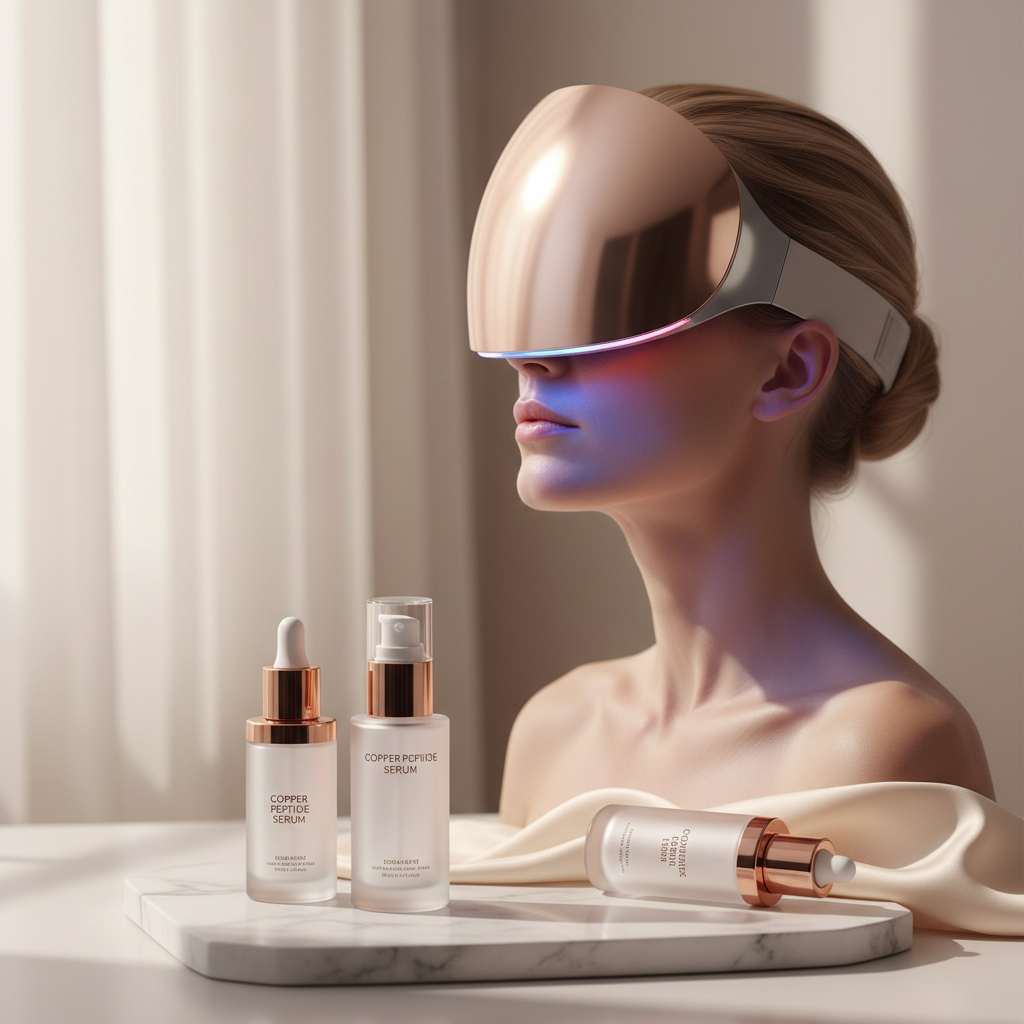
For advanced barrier repair and regeneration, turn to peptides. Copper Peptides, particularly GHK-Cu, are renowned for their incredible skin-regenerating properties. GHK-Cu supports collagen production, acts as an antioxidant, and significantly aids in wound healing and barrier restoration, making it an ideal ingredient when you repair your skin barrier after retinol UK dermatologists often discuss. These remarkable peptides can help calm inflammation and accelerate the rebuilding of healthy skin structure. Discover more in our guide to Copper Peptides: Your UK Guide to Skin Repair & Revival.
Step 6: Don't Forget Occlusives and SPF
To lock in all the goodness from your repair serums and moisturisers, consider using a good quality occlusive balm or a rich cream, especially overnight. This creates a protective seal, preventing transepidermal water loss and aiding the healing process. During the day, non-negotiable sunscreen is essential. Compromised skin is more vulnerable to UV damage, so a broad-spectrum SPF 30 (or higher) is crucial.
''A healthy skin barrier acts as your skin's bodyguard, shielding it from external aggressors and locking in vital moisture. Nurturing it back to health after retinol is a testament to mindful, effective skincare.'' - SkinLuna Skincare Experts
SkinLuna's Recommended Routine for Retinol Recovery
Here’s a simplified routine focused on barrier repair:
Morning:
- Cleanse: Gentle, hydrating cleanser.
- Treat: A serum rich in hyaluronic acid, ceramides, or niacinamide to soothe and hydrate. Consider a GHK-Cu serum for its regenerative benefits.
- Moisturise: A rich, emollient moisturiser to provide comfort and strengthen the barrier.
- Protect: Broad-spectrum SPF 30+ sunscreen.
Evening:
- Cleanse: Gentle, hydrating cleanser.
- Treat: A dedicated barrier-repairing serum featuring ceramides, peptides (like GHK-Cu), or a blend of hydrating actives.
- Moisturise: A generous application of a rich, occlusive-leaning night cream to maximise repair overnight.
As your skin heals, you’ll notice a reduction in redness, dryness, and discomfort. The key is to listen to your skin and avoid rushing the process. Once your skin feels completely recovered, you can consider reintroducing retinol slowly, perhaps once or twice a week, using a lower concentration than before. Remember to 'buffer' it by applying it after your moisturiser initially, to mitigate potential irritation.
The Importance of Professional Guidance and Prevention
While this guide provides a robust framework, if your irritation is severe or persistent, consulting a dermatologist is always advisable. They can offer tailored advice and rule out other underlying conditions. The British Association of Dermatologists (bad.org.uk) offers a wealth of resources and professional contacts.
Prevention is always better than cure. To minimise the risk of barrier disruption when using retinol:
- Start Low, Go Slow: Begin with a low concentration (e.g., 0.1% or 0.25%) and use it just once or twice a week, gradually increasing frequency as your skin tolerates it.
- Buffer: Apply retinol after your moisturiser to dilute its potency slightly.
- Moisturise Diligently: Always pair retinol with a good barrier-supporting moisturiser. This is especially vital in London’s often-challenging urban environment.
- Avoid Other Actives: Initially, don't combine retinol with other strong actives like AHAs/BHAs or high-potency Vitamin C on the same night.
- Be Patient: Retinol takes time to show results. Consistency, not aggression, is the key.
At SkinLuna, we believe in embracing active ingredients intelligently. By understanding how to repair your skin barrier after retinol UK applications, you can enjoy the transformative benefits of this ingredient without compromising your skin's health. With dedication to a gentle, nourishing routine and the power of ingredients like GHK-Cu, your path to a resilient, radiant complexion is clear.
Reveal Visibly Firmer, Younger Skin
GHK-Cu Copper Peptide Serum
Clinically formulated in London. Join thousands across the UK seeing radiant, lifted skin in weeks.
Frequently asked questions
Repairing a damaged skin barrier typically takes a few days to several weeks, depending on the severity of the irritation. consistency with soothing, barrier-fortifying ingredients is key.
Scientific sources
- BAD — bad.org.uk
The Ritual
Discover the GHK-Cu Copper Peptide Serum
Clinically formulated in London. Loved across the United Kingdom for visibly firmer, radiant skin.
Shop Now →