SkinLuna · The Ritual
Want results like these? Start your ritual today.
Acne, whilst a common skin concern across the UK, can leave unwelcome reminders long after the blemishes subside: acne scars. These marks, ranging from persistent discolouration to textural indentations, can impact confidence and leave us searching for effective solutions. The good news is that while some severe scarring may require professional intervention, a strategic and consistent at-home skincare regimen, armed with the right ingredients and a little patience, can significantly improve the appearance of many acne scars at home UK.
At SkinLuna, we understand the desire for a refined, even complexion. Our approach combines clinical efficacy with luxurious formulations, helping you navigate the pathway to smoother, clearer skin right from your London home. This comprehensive guide will delve into the science-backed ingredients and practices you can adopt to tackle various types of acne scarring.
Understanding Your Acne Scars: A Crucial First Step
Before embarking on any treatment plan, it’s essential to understand the type of marks you're dealing with. Acne scars aren't a singular entity; they manifest in different forms, each requiring a slightly nuanced approach.
Post-Inflammatory Hyperpigmentation (PIH) & Erythema (PIE)
These are not true scars but rather discolouration left after a breakout. PIH presents as flat, dark spots (brown, grey, or black) and is more common in those with darker skin tones. PIE, on the other hand, appears as flat, red or purple marks, often seen in individuals with lighter complexions. Both result from the skin's inflammatory response to acne.
True Acne Scars: Textural Changes
True scars involve a change in the skin's texture due to collagen damage or overproduction during the healing process. These include:
- Atrophic Scars: These are indentations or depressions in the skin. They fall into three main categories: Boxcar (sharp, angular edges), Ice Pick (small, deep, punctiform), and Rolling (broad, wave-like depressions).
- Hypertrophic & Keloid Scars: These are raised scars resulting from an overproduction of collagen. Hypertrophic scars are generally confined to the original wound area, while keloids can extend beyond it. These are less common with acne and typically require professional medical attention from a dermatologist.
Our focus here will primarily be on addressing PIH, PIE, and certain atrophic scars with targeted at-home strategies.
The Cornerstone of At-Home Acne Scar Treatment: Consistency & Key Ingredients
An effective regimen revolves around a few core principles: gentle exfoliation, brightening, barrier support, and cellular regeneration. Remember, patience is paramount; visible improvements can take weeks or even months.
1. Gentle, Targeted Exfoliation
Exfoliation is vital for shedding discoloured or damaged skin cells, encouraging cellular turnover, and revealing brighter, smoother skin underneath. However, caution is key: over-exfoliating can exacerbate inflammation and worsen scarring.
Alpha Hydroxy Acids (AHAs)
Glycolic Acid & Lactic Acid: These water-soluble acids work by dissolving the bonds between dead skin cells, helping to reduce the appearance of PIH and mild textual irregularities. Start with lower concentrations (5-10%) and gradually increase as your skin tolerates it. AHAs are best applied in the evening, followed by a nourishing moisturiser.
Beta Hydroxy Acids (BHAs)
Salicylic Acid: Oil-soluble, salicylic acid penetrates deeper into pores, making it excellent for preventing future breakouts and decongesting the skin. It also has mild exfoliating properties that can help with rough texture and PIH. A salicylic acid cleanser or a leave-on treatment can be incredibly beneficial.
2. Potent Brightening & Collagen-Boosting Actives
These ingredients work to fade discolouration, even skin tone, and stimulate collagen production, which is crucial for filling in atrophic scars.
Vitamin C (Ascorbic Acid)
As a powerful antioxidant, Vitamin C inhibits melanin production, effectively fading PIH. It's also a crucial co-factor in collagen synthesis, which can help improve the appearance of depressed scars over time. Look for stable forms of Vitamin C in serums and apply them in your morning routine to benefit from its antioxidant protection.
Niacinamide (Vitamin B3)
This versatile ingredient helps reduce inflammation, minimises pore appearance, and most importantly for scar treatment, inhibits the transfer of melanin to skin cells, thereby reducing PIH. It also supports skin barrier function, which is essential for healthy healing. Niacinamide is well-tolerated by most skin types and can be used both morning and evening.
Retinoids (Vitamin A Derivatives)
Retinols and prescription retinoids are gold standards for anti-ageing and acne scar treatment. They accelerate cell turnover, stimulate collagen production, and improve skin texture, making them incredibly effective for both PIH and atrophic scars. Start with a low concentration (<0.25%) a couple of times a week and slowly increase frequency as your skin adapts. Always use retinoids in the evening and pair them with diligent SPF use during the day. For a deeper dive into potent ingredients, consider reading our comparison on Copper Peptide vs. Retinol: Which is Better for Anti-Aging?
GHK-Cu Copper Peptides
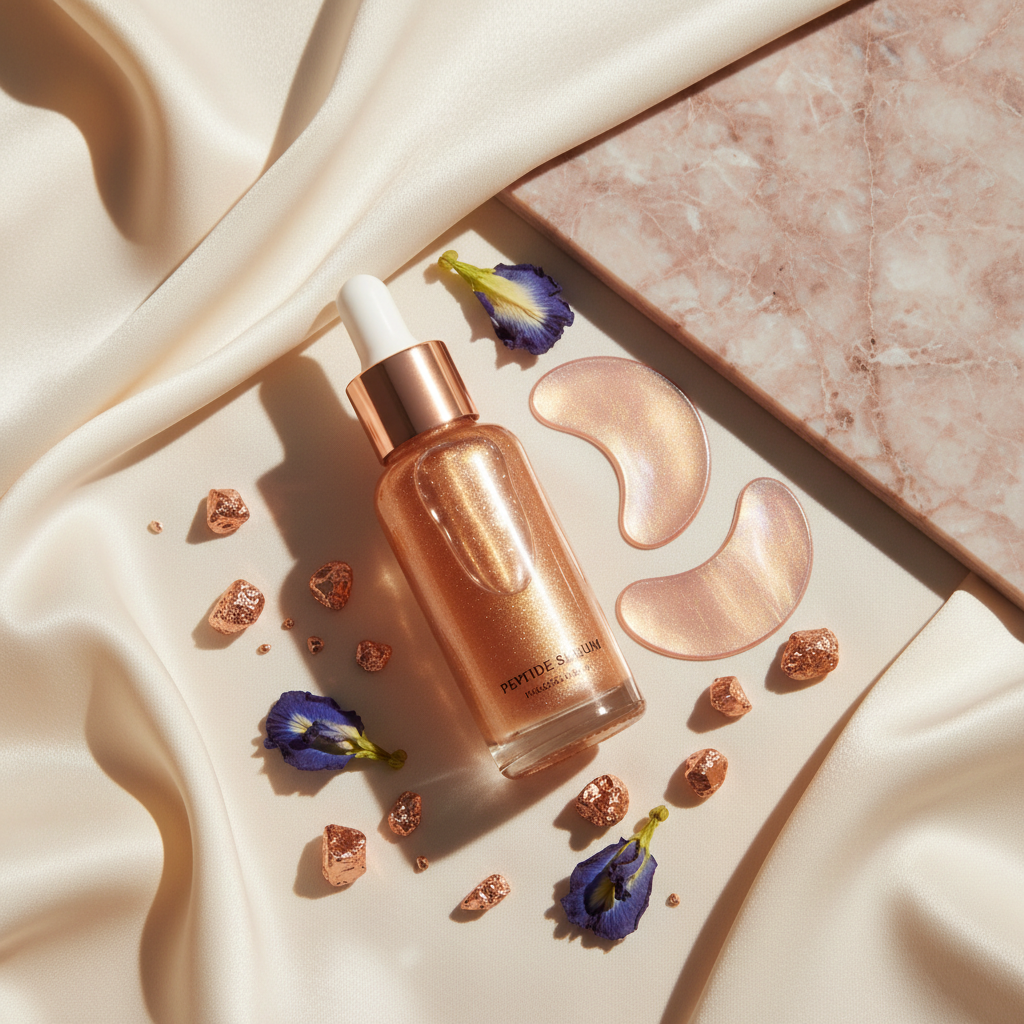
A true gem in regenerative skincare, GHK-Cu copper peptides are celebrated for their remarkable wound-healing and skin-remodelling properties. These intelligent peptides stimulate collagen and elastin production, possess anti-inflammatory benefits, and act as powerful antioxidants. For acne scars, GHK-Cu aids in correcting skin texture and reduces redness associated with PIE and PIH by promoting healthier tissue regeneration. Our SkinLuna GHK-Cu Copper Peptide Serum is expertly formulated to support your skin’s natural repair processes, making it an excellent addition to your regimen for diminishing the appearance of scarring. You can find more information on GHK-Cu Copper Peptide Benefits for Skin: A Full UK Guide.
3. Indispensable Skin Barrier Support
A compromised skin barrier can hinder the healing process and make scars more prominent. Ingredients like ceramides, hyaluronic acid, and fatty acids are crucial for maintaining a robust skin barrier, which is especially important when using active ingredients.
Hyaluronic Acid
While not directly treating scars, hyaluronic acid is a magnificent humectant that draws moisture into the skin, plumping it up and making any textural irregularities appear less noticeable. It also supports a healthy skin barrier, crucial for overall skin health. Explore the benefits in our guide to Best Hydrating Serums for Dry Skin UK.
Ceramides
These lipid molecules are vital components of your skin barrier. Products rich in ceramides help to strengthen the skin's protective layer, reducing moisture loss and enhancing its ability to repair itself. This is particularly important for irritated or sensitised skin, ensuring it can effectively heal. We cover this extensively in Repairing Your Skin Barrier: A UK Guide for Radiant Health.
4. Non-Negotiable Sun Protection
This is perhaps the most critical step in treating and preventing acne scars. UV radiation darkens PIH, makes PIE more persistent, and breaks down the newly formed collagen needed for scar repair. A broad-spectrum SPF 30 or higher, applied diligently every morning, rain or shine, is absolutely non-negotiable. Even in London's often overcast skies, UV damage is a constant threat.
Building Your At-Home Acne Scar Treatment Routine
Here’s a simplified routine you can adapt for treating acne scars at home in the UK:
- Morning:
- Cleanse: Gentle cleanse.
- Treat (PIH/PIE): Vitamin C serum, followed by Niacinamide if desired.
- Hydrate: Hyaluronic acid serum or a ceramide-rich moisturiser.
- Protect: Broad-spectrum SPF 30+.
- Evening:
- Cleanse: Gentle cleanser.
- Treat (Textural/PIH): Alternate nights with AHA/BHA (2-3 times/week) and a Retinoid (2-4 times/week, increasing gradually). On non-exfoliation/retinoid nights, focus on GHK-Cu copper peptides for regeneration.
- Hydrate & Repair: Ceramide-rich moisturiser to support the skin barrier.
Important considerations:
- Patch Test: Always introduce new active ingredients one at a time and patch test on a small area of skin first.
- Listen to Your Skin: If you experience excessive redness, irritation, or dryness, reduce the frequency or concentration of active ingredients.
- Lifestyle: A healthy diet, adequate sleep, and managing stress can also positively impact skin health and its ability to heal.
"Effective at-home treatment for acne scarring is a marathon, not a sprint. Consistency, patience, and the right blend of science-backed ingredients are your most powerful tools."
When to Seek Professional Help
While at-home treatments can significantly improve many types of acne scars, some deeper, more entrenched scars (especially severe atrophic or hypertrophic scars) may benefit more from professional treatments such as:
- Chemical peels
- Microneedling
- Laser therapy (e.g., fractional laser)
- Dermal fillers
If you're unsure about the type of scarring you have or if at-home efforts aren't yielding the desired results after several months, consult a dermatologist in the UK. They can offer a tailored treatment plan and provide insights into advanced procedures. The British Association of Dermatologists is an excellent resource for finding qualified professionals.
The SkinLuna Philosophy on Scar Treatment
At SkinLuna, we champion a holistic yet scientifically rigorous approach to skin health. Our formulations are designed to complement your skin's natural processes, providing potent ingredients in elegant, British-crafted products. We believe in empowering you with knowledge and effective solutions for concerns like acne scars.
Tackling acne scars at home UK requires dedication, but with smart choices and consistent application of powerful ingredients—like targeted exfoliants, antioxidants, retinoids, and our favoured GHK-Cu copper peptides—you can unveil a smoother, more luminous complexion. Embrace the journey to beautifully resilient skin.
Reveal Visibly Firmer, Younger Skin
GHK-Cu Copper Peptide Serum
Clinically formulated in London. Join thousands across the UK seeing radiant, lifted skin in weeks.
Frequently asked questions
Yes, GHK-Cu copper peptides are highly beneficial for acne scars. They stimulate collagen and elastin production, which can help 'fill in' atrophic scars, and their anti-inflammatory and antioxidant properties aid in reducing redness (PIE) and speeding up the healing of post-inflammatory hyperpigmen
Scientific sources
The Ritual
Discover the GHK-Cu Copper Peptide Serum
Clinically formulated in London. Loved across the United Kingdom for visibly firmer, radiant skin.
Shop Now →